UK High-Street Betting Shops Record Further Closures as Tax and Regulatory Costs Mount
Iris Krüger · Aug 13, 2026

UK High-Street Betting Shops Record Further Closures as Tax and Regulatory Costs Mount
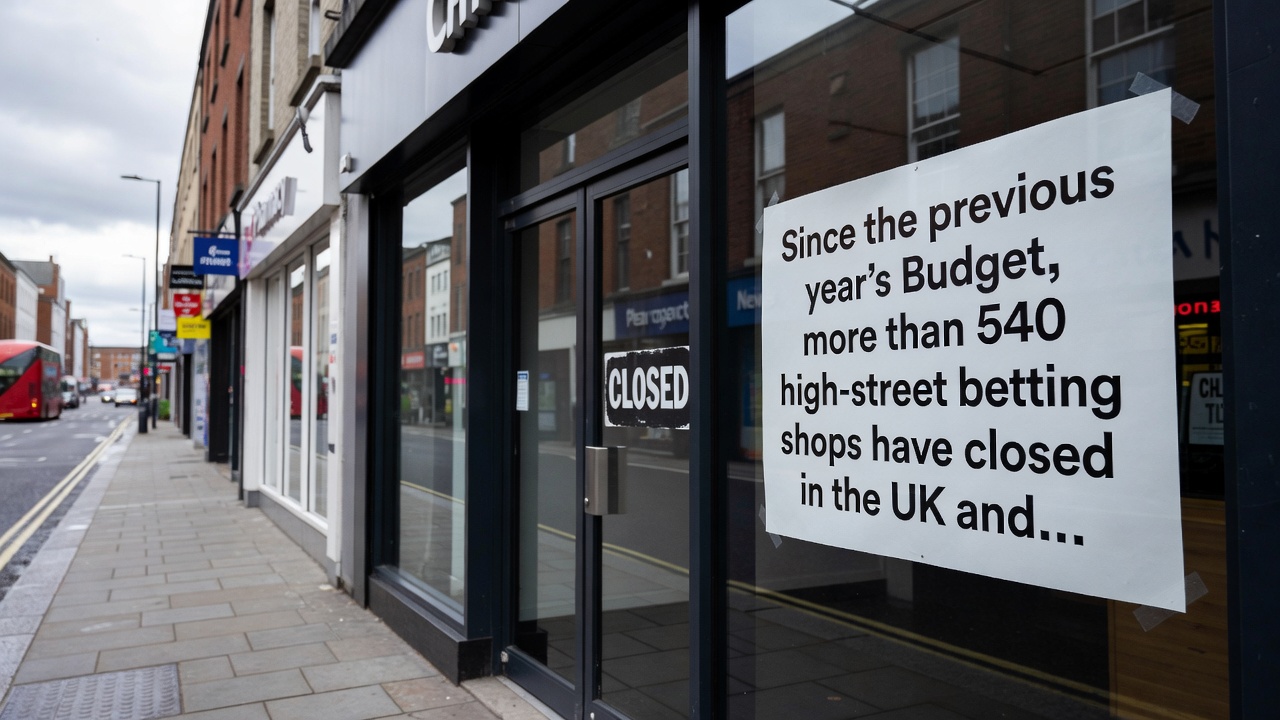
Since the previous year’s Budget more than 540 high-street betting shops have closed across the UK while around 4,500 jobs disappeared amid rising taxes, regulatory costs and broader business pressures on operators. Data compiled by the Betting and Gaming Council shows the sector has now lost over 3,000 shops and 15,000 positions since 2019, with the pace of decline continuing into 2026.
Observers note that the latest figures cover the period following the most recent fiscal measures, which increased the financial load on land-based operators already navigating tighter compliance rules and changing consumer habits. The council states that these closures concentrate in town centres and high streets where betting shops have long formed part of the local economy, providing employment and footfall for nearby businesses.
Scale of the Decline Since 2019
Figures released by the Betting and Gaming Council detail a steady contraction that began before the latest Budget round and has accelerated since. Between 2019 and the middle of 2026 the industry shed more than 3,000 retail outlets while employment fell by 15,000 roles, many of them full-time positions in customer-facing roles. The most recent twelve-month period alone accounts for over 540 additional closures and 4,500 job losses, according to the same dataset.
Those numbers reflect both outright site closures and reduced operating hours at remaining locations, where operators have consolidated staff to manage costs. Local authorities in several regions report vacant units on high streets that previously housed betting shops, with some premises remaining empty for extended periods.
Role of Tax and Regulatory Pressures
The Betting and Gaming Council attributes the closures to a combination of increased tax obligations, higher compliance expenditure and competitive pressures from online channels. Operators have faced successive duty adjustments plus additional requirements around player protection and venue standards that add to fixed costs. The council warns that any further rise in taxation would intensify the rate of shop closures and shift activity toward unregulated markets operating outside UK oversight.
Treasury statements have addressed gambling duty rates for high-street shops without directly linking policy changes to the observed closures. Industry representatives continue to cite the cumulative effect of fiscal and regulatory measures as the primary driver behind the contraction reported since 2019.
Impact on High Streets and Employment
High-street betting outlets have historically contributed to local economies through direct employment, supplier contracts and customer traffic that supports adjacent retailers. With each closure the Betting and Gaming Council points to the loss of these multiplier effects, particularly in smaller towns where alternative employment options remain limited. The 4,500 jobs lost since the last Budget represent roles in retail management, customer service and security that are not easily replaced within the same communities.
Local business associations in affected areas have documented reduced pedestrian flow on streets that once benefited from regular betting-shop visitors. While some premises have been repurposed for other retail uses, many remain vacant, contributing to longer-term changes in the composition of town-centre trading.
Concerns Over Unregulated Markets
The Betting and Gaming Council has repeatedly highlighted the risk that further tax increases could drive more activity into unregulated channels. These black-market operators avoid UK licensing, taxation and consumer-protection standards, yet can offer lower overheads and fewer restrictions. The council’s latest statement links the ongoing loss of licensed shops directly to the potential growth of such alternatives, noting that consumers seeking betting services may migrate when regulated options disappear from their locality.
Regulatory bodies continue to monitor the balance between licensed and unlicensed activity, though precise measurement of the unregulated sector remains difficult because operators fall outside official reporting requirements.
Current Context in August 2026
As of August 2026 the pattern of retail contraction shows no immediate reversal. The Betting and Gaming Council continues to track monthly data on shop numbers and employment while engaging with policymakers on the cumulative impact of recent fiscal changes. Operators report ongoing reviews of individual sites, with decisions on further closures tied to trading performance and cost projections for the remainder of the financial year.
Those monitoring the sector note that the land-based betting industry now operates with a significantly smaller footprint than existed in 2019, reshaping both employment patterns and the visible presence of betting on UK high streets.
Conclusion
The data presented by the Betting and Gaming Council records more than 540 high-street betting shop closures and 4,500 associated job losses since the previous Budget, forming part of a longer decline that totals over 3,000 shops and 15,000 positions since 2019. The organisation links these outcomes to rising taxes, regulatory costs and competitive pressures, while cautioning that additional fiscal measures could accelerate the shift of activity toward unregulated markets. The figures stand as the most recent snapshot of structural change within the licensed land-based betting sector.