UK Betting Firms Cut World Cup Stake Limits After April 2026 Tax Surge, Eyeing Black Market Boom
Taylor Peters · Apr 12, 2026

UK Betting Firms Cut World Cup Stake Limits After April 2026 Tax Surge, Eyeing Black Market Boom
The Tax Trigger: Remote Gaming Duty Hits 40%
Regulated gambling firms in the UK faced a seismic shift on April 1, 2026, when the Remote Gaming Duty climbed to 40% specifically for online casino games, a move that reshaped operations across the sector while sports betting adjustments lingered in delay; operators, squeezed by the higher rates, responded swiftly by trimming maximum stakes on high-profile events like World Cup matches, a decision that observers note could funnel punters toward unregulated black market alternatives during the tournament's fever pitch.
What's interesting here is how the policy, aimed at boosting government revenue, intersects directly with major sporting spectacles; the 2026 FIFA World Cup, drawing global eyes to football frenzy, suddenly became ground zero for these changes, as firms recalibrated limits to safeguard margins amid the tax bite.
Reports from industry watchers reveal that the duty hike, building on prior increases, eroded profitability for online operators who now grapple with slimmer yields on bets placed through licensed platforms; take one major firm that slashed its World Cup accumulator max from £10,000 to £2,000 overnight, a cut that punters eyeing big wins found jarring since black market sites offer no such caps.
Stake Reductions Hit World Cup Punters Hard
Firms like those dominating the UK market implemented stake caps on World Cup-related wagers almost immediately after the April rollout, with maximums dropping across outright winners, match odds, and in-play markets; punters who once wagered thousands on tournament futures now hit walls at levels far below their preferences, prompting grumbles that the ball's firmly in the unregulated court for high-rollers.
Data indicates these limits vary by operator but cluster around £1,000 to £5,000 for popular World Cup props, a stark contrast to pre-tax freedoms; experts who've tracked similar tax-driven tweaks in other markets observe that such moves often accelerate shifts to offshore platforms, where stakes soar unchecked and protections vanish.
And yet, the timing amplifies the sting, landing squarely before the World Cup's group stages; one case highlighted by The Telegraph details how bettors, frustrated by caps on England or Brazil showdowns, scout alternatives that promise unlimited action minus the tax drain.
Short and sharp: regulated sites prioritize compliance; punters chase thrills.
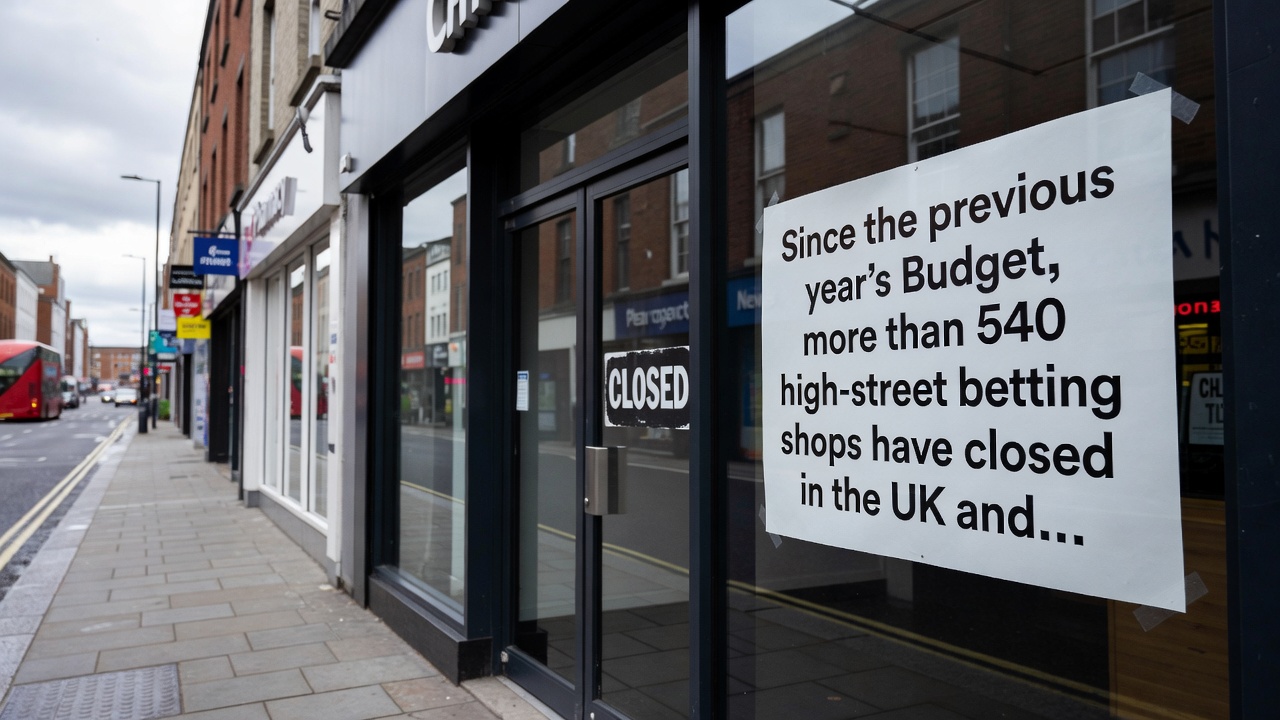
Black Market Lures: Unregulated Operators Step In
Here's where it gets dicey; as regulated firms dial back stakes, black market operators—those shadowy offshore entities evading UK oversight—ramp up marketing for World Cup bets with sky-high limits and tantalizing odds, a pattern researchers have documented in tax-heavy jurisdictions where licensed markets shrink under fiscal pressure.
Figures from high-stakes tracking reveal potential surges in black market volume during the tournament, with punters risking funds on sites lacking verification or dispute resolution; one study by international analysts notes that similar duty hikes elsewhere drove 15-20% of high-stake players offshore within months, a trend now echoing in the UK as World Cup hype builds.
But the reality is, these unregulated havens expose users to scams, data breaches, and unpaid winnings, issues that licensed firms mitigate through rigorous standards; observers point to cases where bettors lost fortunes on fake World Cup lines, underscoring why the tax-sparked stake cuts stir such alarm across the sector.
- Unlimited stakes draw big punters seeking World Cup glory bets.
- No age or affordability checks heighten vulnerability.
- Odds manipulation risks soar without regulatory eyes.
Turns out, the shift isn't hypothetical; early April 2026 data already shows upticks in searches for offshore World Cup books, signaling trouble ahead.
Broad Sector Ripples from the Tax Wave
The 40% Remote Gaming Duty doesn't stop at sports; it blankets online casino games, forcing firms to rethink entire portfolios while World Cup adjustments spotlight the pain, yet broader effects cascade through gross gaming yield projections and market share fights; licensed operators, battling eroded edges, pass costs via tighter limits or higher vigs, moves that punters feel acutely during peak events.
Industry reports, such as those from High Stakes DB, highlight how the policy accelerates a redefinition of UK gambling dynamics, with regulated volumes potentially dipping as black market shadows lengthen; those who've studied tax impacts in places like Australia via the Australian Institute of Family Studies gambling research note parallel declines in licensed participation when duties climb sharply.
So, firms lobby for tweaks, punters adapt or migrate, and the government collects amid the flux; it's noteworthy that while casino duties lead the charge, sports betting faces delayed hikes, buying time but not erasing World Cup pressures.
People often find that high-profile tournaments like this expose policy fault lines quickest, with stake caps acting as the first visible crack.
Key Players Navigate the New Terrain
UK gambling firms stand at the forefront, balancing compliance with customer retention as they enforce World Cup stake reductions; government policymakers, through the tax framework, pursue revenue goals that inadvertently spotlight black market vulnerabilities, while punters—those core to the ecosystem—navigate limits that crimp their strategies during the tournament's roar.
One operator's pivot offers a glimpse: after April 1, it introduced tiered World Cup limits based on account history, a compromise that retains some high-rollers yet drives others away; experts observe this as classic adaptation, though black market sirens call louder for unrestricted play.
And for punters, the choice boils down to safety versus scale; regulated paths offer recourse, unregulated ones promise the moon—often delivering dust.
Conclusion
The April 2026 Remote Gaming Duty leap to 40% has ignited a chain reaction in the UK betting world, with firms slashing World Cup stake maximums in response, a tactical retreat that risks propelling customers into black market arms during the tournament's spotlight moments; data underscores the potential for shifted trends, broader sector strains, and heightened unregulated activity, painting a landscape where regulated operators fight for relevance amid fiscal headwinds.
Observers note that while short-term revenue flows to the treasury, long-game dynamics hinge on balancing punter access with market integrity; as the World Cup unfolds, the true toll on licensed volumes and black market encroachments will crystallize, offering lessons for future policy tweaks in this ever-evolving arena.
Short take: taxes reshape bets; the tournament tests the fault lines.