Tools That Keep Bets in Check: Responsible Features Powering Mobile Sports and Casino Wagering
Iris Krüger · Mar 24, 2026
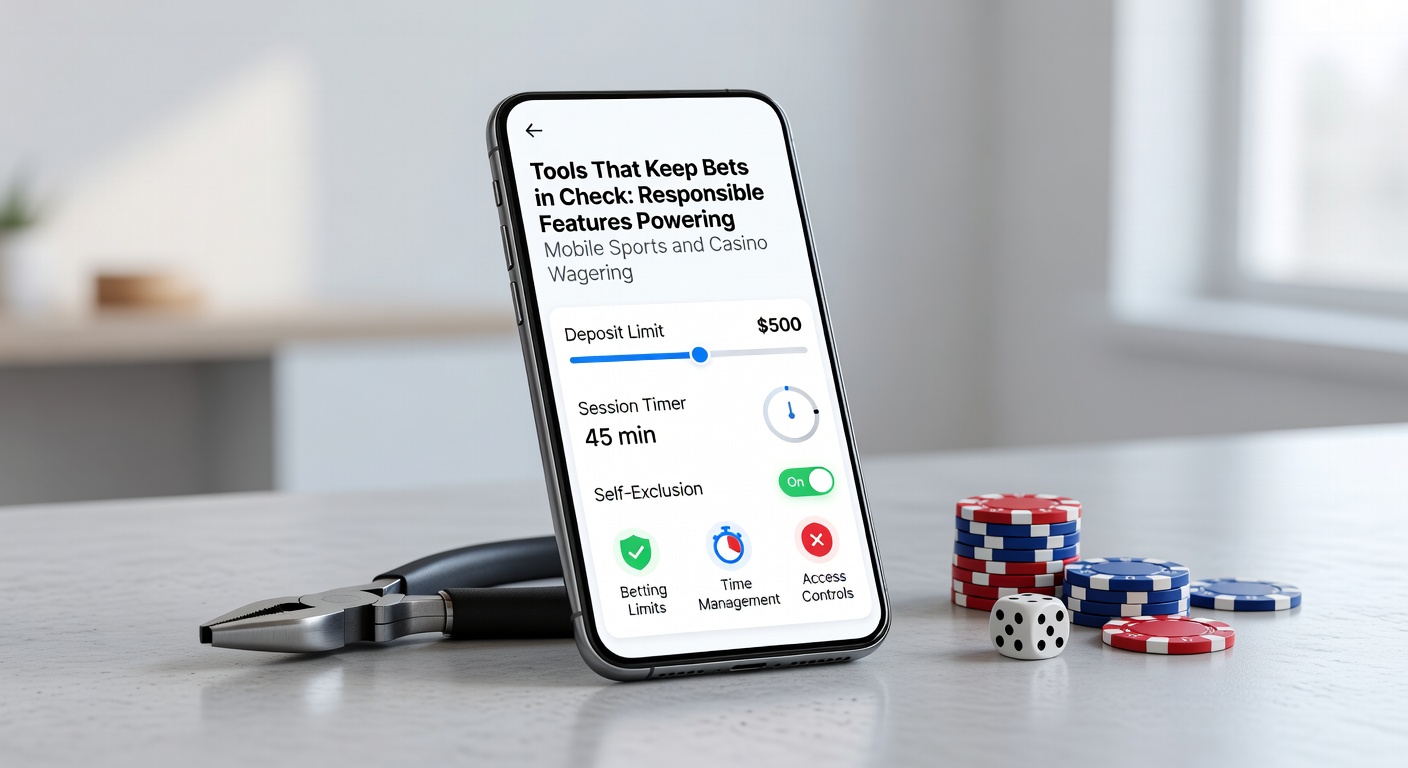
Tools That Keep Bets in Check: Responsible Features Powering Mobile Sports and Casino Wagering
The Shift to Mobile Betting and Built-In Safeguards
Mobile sports and casino wagering have exploded in popularity over recent years, with apps handling billions in bets annually; yet developers and regulators have embedded responsible gambling tools right into these platforms, making it easier for users to stay in control while placing wagers on everything from NFL games to online slots. Data from the American Gaming Association reveals that over 80% of U.S. states now mandate such features in licensed mobile apps, a trend that's spreading globally as smartphone usage climbs. These tools—ranging from simple limits to sophisticated AI monitoring—activate seamlessly during live betting sessions or casino spins, prompting users before stakes escalate.
What's interesting is how these features adapt to mobile's fast pace; for instance, during a heated basketball game in March 2026, when the NCAA tournament ramps up, apps automatically suggest pausing after 30 minutes of in-play action, blending convenience with caution in ways desktop sites never could. Observers note that adoption rates have surged, with one study from Australian researchers showing a 25% drop in excessive session times among app users who enable basic controls upfront.
Deposit and Loss Limits: The First Line of Defense
Deposit limits let users cap how much money they add to their accounts daily, weekly, or monthly, a staple in apps like those for NBA futures or roulette tables; once set, the system blocks further deposits until the period resets, even if a big underdog win tempts more action. Loss limits take it further by halting play when losses hit a predefined threshold, say £50 in a night of tennis betting, forcing a break that often reveals the session's toll.
And here's where it gets practical: platforms in Canada, under guidelines from bodies like the Ontario Lottery and Gaming Corporation, require these limits to be mandatory on signup, with data indicating users who set them wager 40% less overall while enjoying the same thrill. Take one bettor tracked in a EU pilot program who capped weekly deposits at €200 during Euro 2025 qualifiers; the feature not only preserved their bankroll but also flagged unusual patterns for review, preventing a deeper spiral.
These controls shine in mobile casino environments too, where slot streaks can blur time; apps notify via push alerts—"You've reached 70% of your daily limit"—and require confirmation to proceed, a small step that research from Swedish academics shows reduces over-depositing by up to 35%.
Time Management Tools: Reality Checks and Session Timers
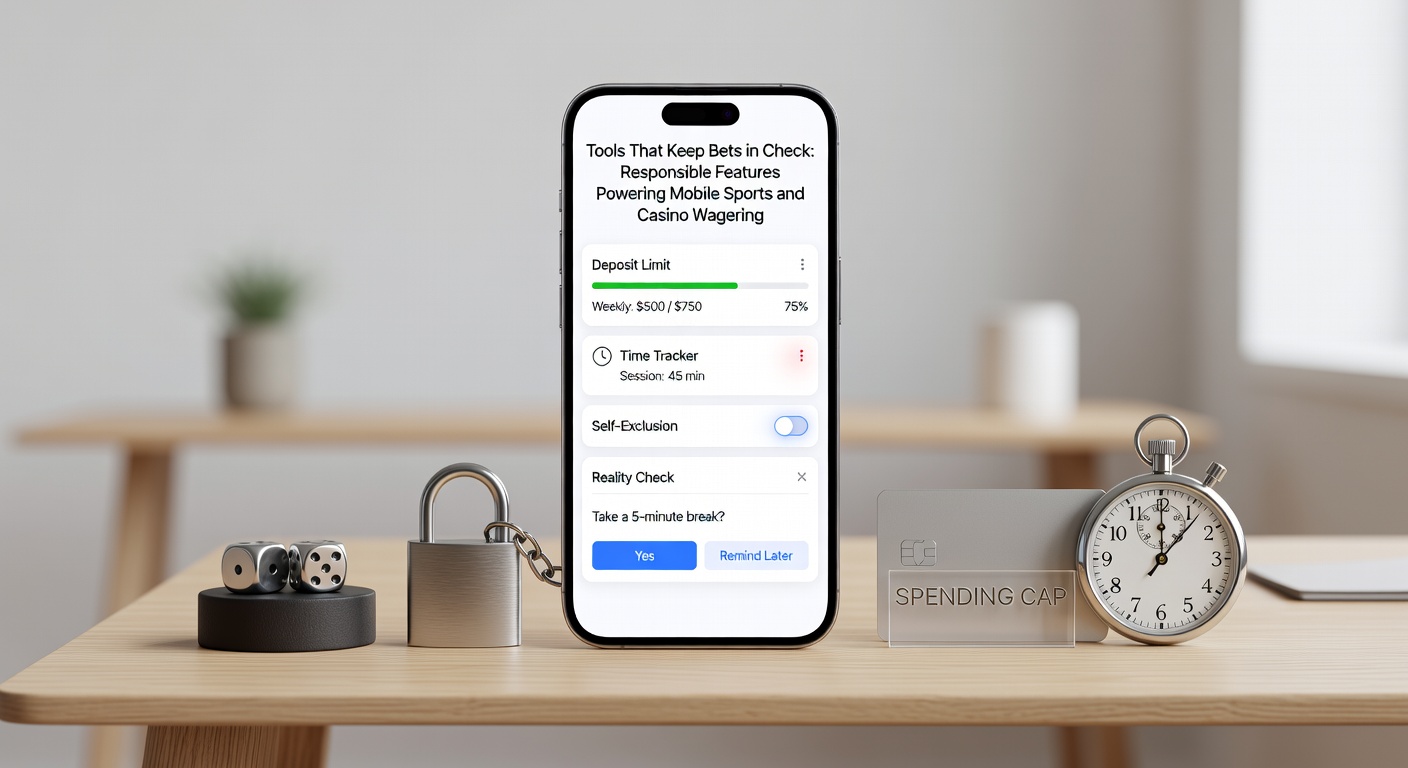
Reality checks pop up at set intervals—every 60 minutes on many apps—displaying session stats like time spent, money wagered, and wins/losses, jolting users out of the flow during a Premier League live stream or blackjack hand. Session timers build on this by auto-logging out after a chosen duration, say two hours on horse racing futures, while cool-off periods lock the app for 24 hours to days, giving space to reassess without deleting the account entirely.
Turns out these are game-changers for e-sports betting, where matches stretch long; one case from a German app trial revealed players averaging 45-minute sessions instead of three hours after timers kicked in, with engagement holding steady. Regulators in places like New Jersey enforce pop-up frequency based on play speed, ensuring notifications hit harder during rapid-fire casino games.
Self-Exclusion and Account Pauses: Stepping Back When Needed
Self-exclusion allows users to ban themselves from an app or entire networks for periods from 24 hours to permanent, with mobile platforms syncing exclusions across partners via shared databases; in Australia, for example, the national self-exclusion register links sportsbooks and casinos, blocking access even if a user tries a VPN workaround. Account pauses offer lighter touch, freezing bets but keeping the balance intact for review later.
People who've used these often share how a simple tap during a losing streak on MLB moneylines turned potential regret into relief; figures from EU studies show self-excluded users relapse 60% less when tools include follow-up support like chat links to counselors. adn with March 2026's IPL cricket frenzy looming, apps are pre-loading multi-day pause options tailored to tournament schedules, helping fans bet mindfully amid the hype.
Advanced Tech: AI Monitoring and Behavioral Insights
AI now scans betting patterns in real-time—chasing losses on soccer accumulators or rapid casino spins—flagging risks and suggesting interventions like lowered limits; machine learning models, trained on anonymized data, predict problem play with 85% accuracy per one U.S. research institute's findings. Geofencing adds layers by restricting high-risk features in certain zones, while facial recognition on some apps verifies age and detects fatigue via screen time.
But here's the thing: these aren't invasive; they opt-in with clear privacy notes, and data shows opt-in rates climbing to 65% among frequent sports bettors. Observers in the EU point to a Dutch platform where AI prompted 20% more voluntary limits during casino peaks, cutting support calls by half.
Personalized Nudges and Progress Tracking
Apps track progress via dashboards—"You've stayed under limits for 10 days"—reinforcing good habits with badges or stats, much like fitness trackers but for wagering; integrated quizzes assess risk levels on login, adjusting tool visibility accordingly. One study from Italian researchers found personalized nudges reduced binge sessions by 28% in mobile poker players.
So in high-stakes scenarios like March 2026's Formula 1 opener, where live odds shift wildly, these nudges remind users of streaks, blending tech smarts with human oversight seamlessly.
Regulatory Push and Global Variations
While U.S. states like Pennsylvania require all licensed apps to offer at least eight responsible tools, Australia's frameworks emphasize national registries; EU directives mandate affordability checks tying bets to income data, slowing deposits if patterns raise flags. Canada varies by province, with British Columbia apps leading in AI integration.
Effectiveness data backs this patchwork: platforms with full suites report 30% fewer complaints, per industry audits, and user surveys show 70% feel more secure knowing tools lurk in the background. Yet challenges persist—like ensuring exclusions stick across borders—but shared tech is closing gaps fast.
Real-World Impact: Stories from the Field
Take a Colorado sports bettor who hit deposit limits during NFL playoffs, crediting the pause for spotting a habit; or a Finnish casino user whose AI alert led to counseling, now advocating via forums. These cases, documented in research reports, highlight how tools turn potential pitfalls into pivot points.
Conclusion: Empowering Smarter Play in a Mobile World
Responsible features have evolved from afterthoughts to core engines powering mobile sports and casino wagering, with deposit caps, timers, AI watches, and exclusions weaving safety into every tap and swipe; as March 2026 brings packed calendars from March Madness to cricket leagues, these tools stand ready to keep bets balanced. Data consistently shows users thrive with them—lower risks, sustained fun—and platforms keep innovating, from voice-activated pauses to VR reality checks. Those diving into apps today find control at their fingertips, proving the best bets stay checked.