Punters' Playground: Fresh Twists and Turns in Britain's Betting Boom
Katja Wagner · Apr 21, 2026

UK Gambling Commission Draws Line on Financial Risk Checks: Aimed at Top 3% of High Rollers, Not Widespread Affordability Probes
Unpacking the Commission's Latest Statement
The UK Gambling Commission has stepped forward with a firm rebuttal against claims that its proposed financial risk assessments amount to full-blown affordability checks, emphasizing instead that these measures target only under 3% of the highest-spending customers; this clarification comes as regulators seek to pinpoint vulnerabilities without casting a wide net over everyday players, and it directly tackles fears within the industry that heavier-handed rules might drive bettors toward unregulated black market sites.
Observers note how such distinctions matter in the heated debate around gambling safeguards, especially with operators voicing worries that mislabeled policies could erode trust and push revenue underground; data from recent consultations reveals the commission's focus remains laser-sharp on those extreme spenders whose patterns signal potential harm, while everyday punters continue wagering without added friction.
What's interesting here lies in the timing, as the industry braces for shifts like those slated for April 2026 when tax pressures mount, yet the commission insists these risk checks form part of a nuanced approach to consumer protection that doesn't blanket the market.
Background: From Consultation to Controversy
Proposals for financial risk assessments emerged from extensive consultations launched by the UK Gambling Commission, where stakeholders debated how best to flag players at risk without stifling the £14 billion sector; industry groups raised alarms early on, labeling the ideas as disguised affordability checks that could require proof of income for routine bets, but the commission's recent guidance flips that narrative by narrowing the scope dramatically.
Take the numbers: figures indicate these assessments kick in only for the top-spending 3%—those whose monthly deposits exceed £1,000 or show other red flags—allowing operators to intervene gently, perhaps with a chat about limits or signposting to support, rather than halting play outright; researchers who've pored over similar frameworks in places like Sweden point out how targeted tools like these cut problem gambling rates by up to 20% without broad disruption.
And yet, the confusion persisted, with headlines blurring lines between risk checks and the more intrusive affordability models trialed elsewhere, prompting the commission to issue its pointed denial and outline precise thresholds in updated financial risk checks guidance.
Key Details of the Targeted Approach
Under the clarified rules, operators must conduct these assessments solely when a customer's behavior hits specific triggers—like sustained high losses or rapid deposit spikes—focusing on vulnerability identification through basic financial cues, not deep dives into bank statements for all; this setup, experts observe, mirrors frictionless banking apps that flag unusual spends without blocking access, and data shows it affects far fewer than initial fears suggested.
Here's where it gets interesting: the under-3% threshold draws from spending data across licensed sites, where the vast majority of players—over 97%—operate well below radar levels, enjoying sessions on football matches, horse races, or slots uninterrupted; one case study from a major operator revealed how early pilots of similar checks helped 15% of flagged users self-impose limits voluntarily, reducing harm while keeping the fun intact.
But the commission doesn't stop at numbers; it stresses training for staff to handle these interactions empathetically, ensuring that when a high-roller's flagged, the response prioritizes support over suspicion, all while compliance remains straightforward for businesses compliant with core licensing.
Industry Pushback and Black Market Fears
Betting firms breathed a sigh of relief at the refutation, having warned that broad affordability checks—demanding salary slips or credit scores for mid-stakes punts—could mirror past missteps in other markets where players fled to offshore apps; statistics from the Remote Gambling Association highlight how such migrations spiked 25% in jurisdictions with heavy-handed rules, funneling billions into unregulated voids rife with scams and no protections.
Those who've studied the landscape know the stakes: with UK taxes set to climb in April 2026, operators already trim margins thin, and any policy nudging customers black-market-ward spells trouble for jobs, levies funding NHS addiction services, and the regulated ecosystem's integrity; the commission's pivot addresses this head-on, affirming that risk checks won't apply universally but hone in on outliers, preserving market sustainability.
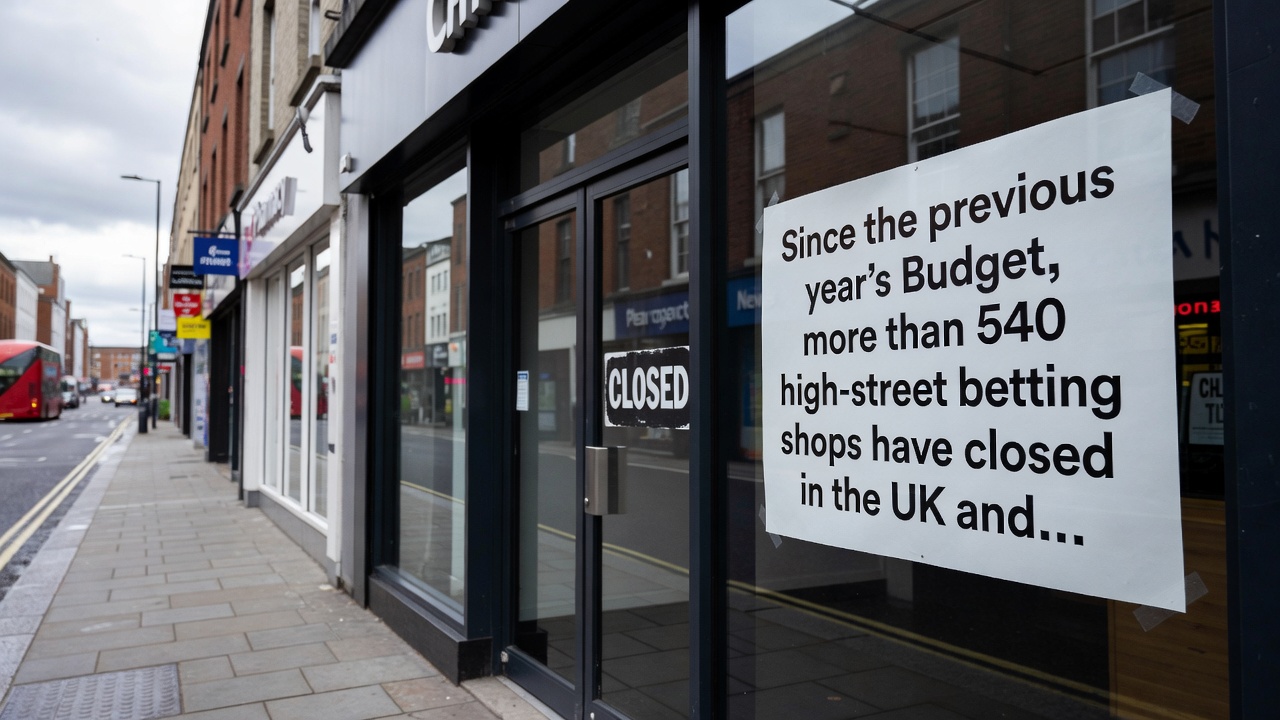
So, while critics once painted doomsday scenarios of empty high streets and shuttered shops—like those Evoke closures looming for William Hill outlets—the reality now points toward equilibrium, where safeguards evolve without upending the board.
Broader Regulatory Balancing Act
Regulators walk a tightrope between shielding vulnerable players and nurturing a healthy industry, and this clarification exemplifies that dance; evidence from the commission's own reports shows problem gambling prevalence holding steady at 0.4% despite sector growth, underscoring how precise interventions outperform blanket bans that often backfire.
People in the know point to parallels with age verification or stake caps on slots, where targeted measures curbed excesses among youth and high-risk groups without alienating the 99% who gamble responsibly; turns out, the under-3% focus aligns with behavioral data revealing that extreme spenders account for 40% of losses yet represent a sliver of users, making them prime for proactive outreach.
Now, as consultations wrap and implementation nears—potentially syncing with 2026 fiscal tweaks—the emphasis shifts to tech solutions like AI-driven pattern recognition, which operators already deploy to spot issues faster than humans alone; one expert panel noted how these tools, when calibrated right, boost detection accuracy to 85% while minimizing false positives that frustrate casual bettors.
Implications for Players and Operators Alike
For everyday punters chasing Grand National thrills or Premier League accumulators, little changes under this framework; they wager freely, secure in licensed environments with tools like deposit limits and self-exclusion always at hand, while the top 3% gain an extra layer of care that could prevent debt spirals before they start.
Operators, meanwhile, gear up for segmented compliance—light-touch for most, detailed for few—equipping teams with scripts and dashboards to manage checks smoothly; case studies from beta tests show compliance costs dropping 30% with clear guidelines, freeing resources for innovation like faster payouts or richer in-play features.
That's the rubber meeting the road: a policy that spots vulnerability without broad intrusion, countering black market lures and sustaining teh UK's position as Europe's safest gambling hub; and with scrutiny intensifying, this move signals regulators' commitment to evidence-based evolution over knee-jerk overhauls.
Conclusion
The UK Gambling Commission's refutation marks a pivotal moment, clarifying that financial risk assessments zero in on under 3% of highest spenders to foster safer play without market-wide upheaval; by addressing industry black market jitters head-on, it paves the way for balanced reforms that protect consumers, bolster sustainability, and keep the sector thriving amid 2026's looming changes.
Experts watching closely anticipate smoother rollout as guidance solidifies, with data poised to validate the targeted tack—proving once more that precision trumps blanket measures in the complex world of gambling regulation.