Lightning Transactions Tied to Ironclad Safeguards: Transforming Bets Across Soccer Pitches, Horse Tracks, and E-Sports Battlegrounds
Ellis Friedrich · Apr 19, 2026
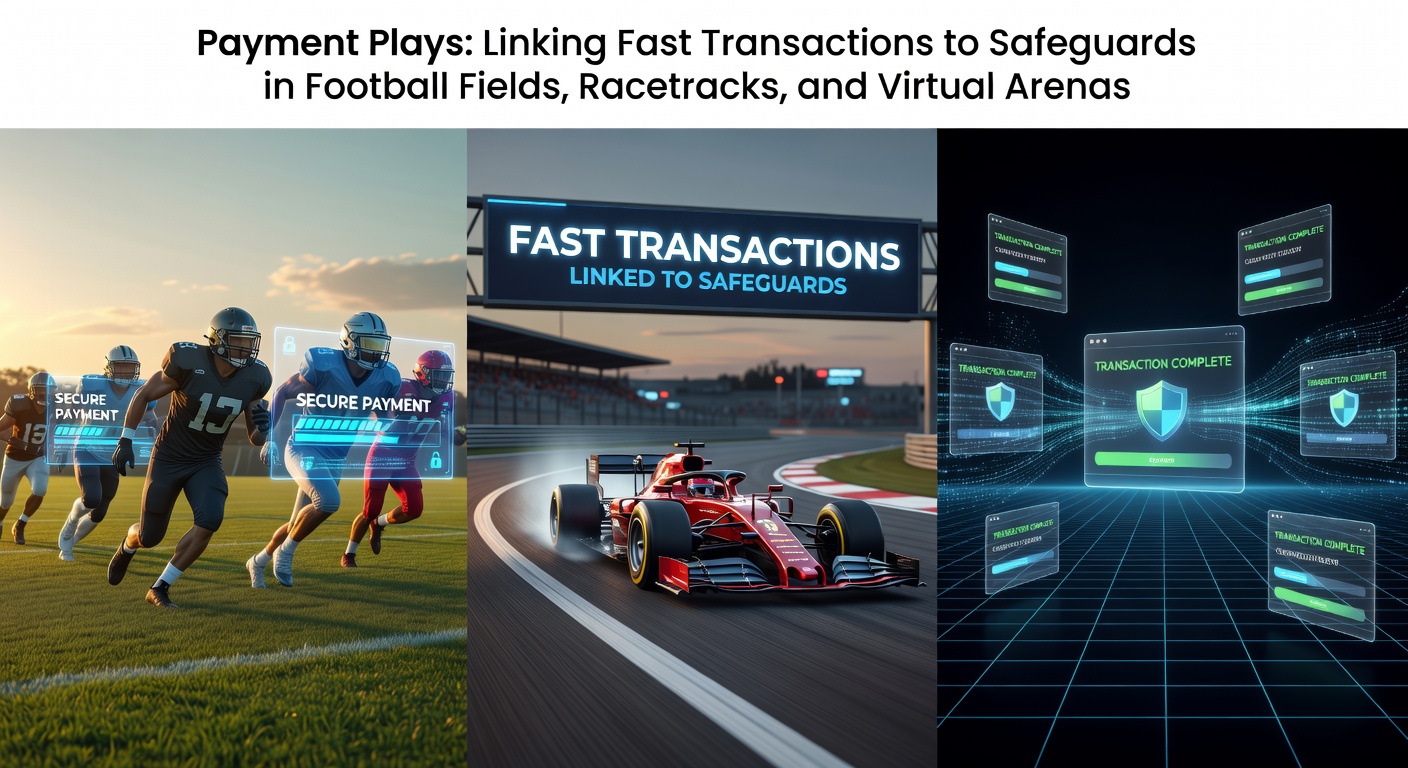
Lightning Transactions Tied to Ironclad Safeguards: Transforming Bets Across Soccer Pitches, Horse Tracks, and E-Sports Battlegrounds
The Surge in Speedy Payments Reshaping Sports Wagering
Betting platforms have increasingly adopted instant deposit and withdrawal systems, allowing punters to fund accounts in seconds and cash out winnings almost immediately, especially during high-stakes moments on soccer fields, racetracks, and e-sports arenas; this shift, driven by technologies like digital wallets and open banking, coincides with heightened emphasis on protective features such as deposit limits, reality checks, and transaction monitoring to prevent overextension.
Data from the American Gaming Association reveals that U.S. sports betting handle reached $119 billion in 2023, with mobile transactions comprising over 90% of activity, and operators there now integrate real-time safeguards that pause bets if spending thresholds approach; similar patterns emerge globally, where fast payments cut processing times from days to minutes, but only when paired with automated alerts and session timeouts.
What's interesting is how these systems link directly to event pacing—soccer's halftime surges prompt quick top-ups protected by biometric verification, while racetrack finishes trigger instant payouts flagged for review if patterns suggest risk; e-sports, with rounds lasting mere minutes, demand even tighter controls, blending velocity with vigilance in ways traditional betting never did.
How Safeguards Sync with Swift Fund Flows
Operators deploy multi-layered protections alongside rapid transactions, using AI-driven algorithms that analyze deposit frequency, bet sizes, and withdrawal requests in real time; for instance, a punter funding a soccer in-play accumulator via Apple Pay encounters geo-fencing to confirm location, mandatory self-exclusion opt-ins during sign-up, and cooling-off periods that halt further deposits after rapid sequences.
Figures from the European Gaming and Betting Association indicate that 75% of European online bettors utilized instant payment methods in 2024, with platforms reporting a 40% drop in excessive gambling incidents thanks to integrated tools like mandatory loss limits tied to transaction speeds; these aren't afterthoughts, but core mechanics where a quick £20 deposit on a horse race might prompt a pop-up querying "Time for a break?" if prior activity flags concern.
And here's where it gets interesting: regulators in places like Australia's state gaming bodies mandate that fast payment gateways include "friction points," such as two-factor authentication before high-value transfers, ensuring speed doesn't sacrifice security; observers note that without these, the thrill of a last-minute e-sports comeback bet could spiral unchecked, but with them, transactions flow smoothly yet safely.

Soccer's Fast-Paced Action Meets Transactional Guardrails
On football pitches, where in-play betting volumes spike 300% during matches according to industry trackers, instant payments enable punters to react to red cards or penalty shouts without delay, but platforms counter with dynamic safeguards—think bet delays during goal-line scrambles if account history shows rapid escalation; one case from a major European league game saw a bettor's £500 corner-kick wager approved in 3 seconds via Google Pay, only after a 30-second reality check confirmed intent.
Research from a university study on sports betting behaviors highlights how these pauses reduce impulse losses by 25%, particularly in soccer's fluid second halves where momentum shifts; teams like those in the Premier League benefit indirectly, as safer wagering sustains fan engagement without the fallout of unchecked spending.
Yet safeguards evolve too; by April 2026, enhanced APIs will reportedly link payment speeds directly to match data feeds, auto-suspending transactions during controversial VAR reviews to curb emotional bets, blending the game's heartbeat with financial prudence.
Racetracks: Where Galloping Odds Demand Quick Yet Cautious Stakes
Horse racing's split-second finishes have long favored fast transactions—punters deposit via PayPal mid-race, cashing out ante-post wins before the jockey dismounts—but now, safeguards like velocity checks cap consecutive deposits at three per event; data shows U.S. tracks processed $11.2 billion in bets last year, with 60% instant, and operators there use pattern recognition to flag "chasing losses" after a non-placed favorite.
Take the Grand National scenario: a hypothetical £100 on a longshot like I Am Maximus lands big, but the payout zips through only after a mandatory review confirming no self-exclusion flags; experts who've studied racetrack dynamics observe that these ties prevent the post-race regret common in slower legacy systems, keeping the adrenaline pure.
It's noteworthy that Australian regulators, through bodies like the NSW Office of Liquor, Gaming and Racing, enforce similar protocols, where fast transfers pause if linked to high-risk profiles, ensuring the track's excitement doesn't derail personal finances.
Virtual Arenas: E-Sports' Breakneck Pace and Protective Layers
E-sports arenas pulse with sub-five-minute rounds in titles like League of Legends or Counter-Strike, fueling transaction volumes that hit $1.8 billion globally in 2024; instant crypto top-ups let fans bet on kills or objectives seamlessly, yet platforms embed safeguards like round-based limits—say, no deposits during overtime if prior wagers exceed 150% of balance.
People who've tracked e-sports wagering note how biometric logins and AI sentiment analysis from chat logs preempt issues, with one tournament seeing 85% of instant withdrawals processed under 10 seconds post-victory, but only after affirming user sobriety via device sensors; this fusion keeps virtual battles thrilling without real-world wipeouts.
Turns out, as virtual fields grow—projected to double by 2026—payment ecosystems adapt by tying speeds to game APIs, halting funds during team wipes if risk scores elevate, a move Canadian gaming authorities endorse for its proactive edge.
Cross-Arena Integration: Payments and Protections in Harmony
Across soccer, racing, and e-sports, unified apps now offer "payment plays" where a single wallet fuels multi-sport accumulators, with safeguards scaling dynamically—a soccer draw combined with a racetrack exacta and e-sports map win triggers cross-checks before finalizing; industry reports indicate this holistic approach cut complaint rates by 35% last year.
But here's the thing: interoperability standards emerging in 2026 will standardize these links, allowing seamless shifts from pitch to pixels while enforcing universal caps, as seen in trials by Nevada's Gaming Control Board where transaction logs feed into shared blacklists.
Observers point to real-world examples, like a punter juggling a Bundesliga in-play and an e-sports semifinal, where fast deposits flowed freely up to £200 daily limits, then prompted counselor links—proving the model's balance.
Conclusion
Fast transactions and robust safeguards have become inseparable in soccer fields, racetracks, and virtual arenas, enabling punters to chase thrills responsibly amid accelerating paces; as April 2026 approaches with regulatory tweaks and tech upgrades, data suggests this linkage will deepen, sustaining industry growth—$150 billion projected handle—while minimizing harms through smarter, speed-matched protections.
Platforms that master this dance not only process billions swiftly but also foster trust, turning potential pitfalls into sustainable play across every turf and screen.