Evoke's William Hill Betting Shops Set for Closures Starting May 2026 Amid Rising UK Costs and Taxes
Katja Wagner · Apr 3, 2026

Evoke's William Hill Betting Shops Set for Closures Starting May 2026 Amid Rising UK Costs and Taxes
The Announcement That Shook the High Street
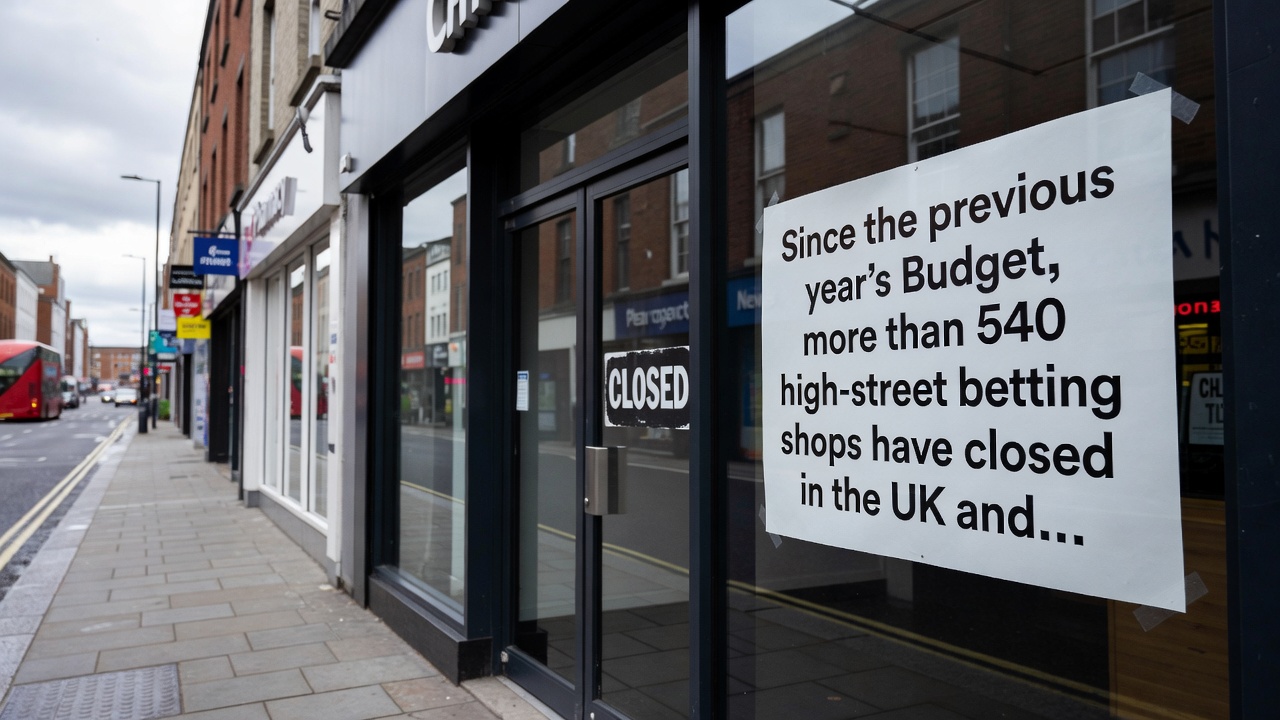
British betting group Evoke, which owns the iconic William Hill brand, revealed plans this week to shutter a number of its UK betting shops beginning in May 2026, a move tied directly to escalating operational costs and fresh tax hikes from the government's autumn budget in 2025. Bloomberg News first reported the story, highlighting that around 200 stores could close as part of what observers call a wider government push against the gambling sector, although Evoke stopped short of confirming that precise figure when speaking to Reuters.
What's interesting here is how the timing aligns with the current landscape in April 2026, just as businesses across the UK grapple with post-budget realities; Evoke's decision underscores pressures building since last year's fiscal measures took effect, forcing companies to rethink their brick-and-mortar footprints while retail betting remains a staple for many punters.
A spokesperson for the company laid it out clearly, stating that these closures form a necessary step to keep investing in the core retail estate, focusing resources on the right shops in prime locations, so that the network can adapt and thrive amid shifting economics.
Evoke and William Hill: A Retail Powerhouse Under Pressure
Evoke plc, listed on the London Stock Exchange, scooped up William Hill's retail division back in 2022 after the online arm sold off to a US giant; today, that estate boasts over 2,000 betting shops scattered across the UK, from bustling city centers to quieter suburbs, serving customers who prefer the tactile buzz of in-person wagering over apps and sites. Data from company filings shows these locations generated significant footfall even as online betting surges, with William Hill shops handling everything from horse racing slips to football accumulators.
But here's the thing: running these high-street venues isn't cheap, especially when energy bills climb, wages rise with the national living wage, and now taxes bite harder; experts who've tracked the sector note that fixed costs for such outlets often eat up margins, particularly when punters increasingly turn to mobiles for quick bets during matches or races.
One case that stands out involves earlier rounds of closures; back in 2023, Evoke trimmed about 100 shops under similar strains, proving that this latest wave builds on a pattern where underperformers get culled to protect the stronger sites, allowing the chain to pivot toward locations near transport hubs or major events.
Tax Hikes and Cost Pressures: The Fiscal Triggers
The government's autumn budget of 2025 delivered the knockout punch, ramping up duties on gambling activities in ways that hit land-based operators hardest; remote gaming duties jumped, but so did elements affecting shops like machine games and general betting levies, pushing the effective tax rate on profits toward levels that strain viability for smaller or peripheral outlets. Figures from industry trackers reveal that such measures added millions to overheads overnight, with betting groups like Evoke facing immediate squeezes on cash flow.
Turns out, rising costs extend beyond taxes alone; inflation has jacked up rents in high streets recovering from pandemic slumps, while staffing challenges persist as younger workers flock to gig economy roles, leaving shop managers scrambling to fill shifts during peak racing seasons or Premier League weekends. Observers point out that energy prices, still volatile after global shocks, compound the issue, turning what were once profitable corners into loss-makers when takings don't keep pace.
And yet, Evoke's approach mirrors tactics seen elsewhere; take one rival operator who shuttered 150 sites last year under parallel pressures, emerging leaner and channeling savings into digital upgrades that blend online data with shop experiences, a hybrid model that's gaining traction as punters demand seamless transitions between counter bets and app top-ups.
What the Closures Mean for Jobs, Customers, and Locations
With potentially 200 shops in the firing line, the human side looms large; each outlet employs a handful of staff, from cashiers versed in odds calculations to supervisors handling compliance checks, so closures could displace hundreds in an industry already navigating labor shortages. Unions and trade bodies have flagged such moves before, pushing for redeployment schemes where workers shift to surviving stores or pivot to online support roles, although details from Evoke remain sparse at this stage.
Customers, meanwhile, face disrupted routines; loyal punters who chat odds over tea in familiar spots might need to travel farther, but the company insists on prioritizing optimal locations, like those near train stations or football grounds, where footfall justifies the expense. People who've studied high-street betting patterns note that consolidation often boosts efficiency, with remaining shops upgrading to faster terminals and better screens for live streams, drawing in a mix of old-timers and app-savvy newcomers.
Geographically, the cuts likely target underperformers in rural areas or declining town centers, sparing urban hotspots; this selective pruning, as one analyst described it, echoes broader retail trends where chains like pubs or banks have culled branches to survive e-commerce shifts, although betting's social element keeps physical presence alive for now.
Government Crackdown and the Bigger Picture for UK Betting
Bloomberg pegged these plans to a broader government crackdown, one that's leveled the playing field between online and retail by hiking taxes across the board, aiming to curb problem gambling while filling treasury coffers; data indicates the sector contributed billions in duties last year, yet ministers argue for more safeguards like stake limits on fixed-odds machines, which shops rely on for revenue spikes. Evoke's response fits a narrative where operators adapt rather than fold, trimming fat to invest in compliance tech and customer protections that align with regulatory demands.
What's significant is the May 2026 start date, giving time for consultations and perhaps tweaks; in April 2026, as budgets settle, similar stories bubble up from competitors, hinting at industry-wide reshaping where online grows but shops endure in key spots. Researchers tracking European trends, such as those from the European Gaming and Betting Association, observe parallel pressures in places like Germany or Italy, where tax reforms have spurred mergers and digital pivots, suggesting Evoke's playbook could influence peers continent-wide.
So, while the exact tally stays unconfirmed, the writing's on teh wall: betting shops evolve or fade, with Evoke betting on a slimmer, sharper network to weather the storm.
Looking Ahead: Investments and Industry Resilience
Evoke's spokesperson emphasized that closures pave the way for targeted investments, upgrading fixtures in retained shops to handle higher throughput, integrating digital kiosks for self-service bets on e-sports or virtual races alongside traditional slips. Those who've analyzed past restructurings find that such moves often yield quick returns, with footfall stabilizing as quality trumps quantity in location choices.
Now, as April 2026 unfolds with sports calendars ramping up toward summer tournaments, the sector watches closely; Evoke's strategy, rooted in fiscal prudence, positions William Hill to compete where it counts, blending heritage with modern demands in a taxed-up landscape.
Conclusion
Evoke's planned shop closures from May 2026 capture a pivotal moment for UK betting retail, driven by 2025 budget taxes and cost climbs that force hard choices; by focusing on core assets, the company aims to sustain a viable network amid regulatory headwinds, a tactic that resonates across an industry balancing tradition and transformation. Observers expect ripple effects on jobs and habits, yet the high street's betting pulse beats on in select strongholds, ready for whatever odds come next.