Coordinating Risk Frameworks Across Digital Competitions, Equine Events, and Interactive Gaming Platforms
Ellis Friedrich · Jul 21, 2026
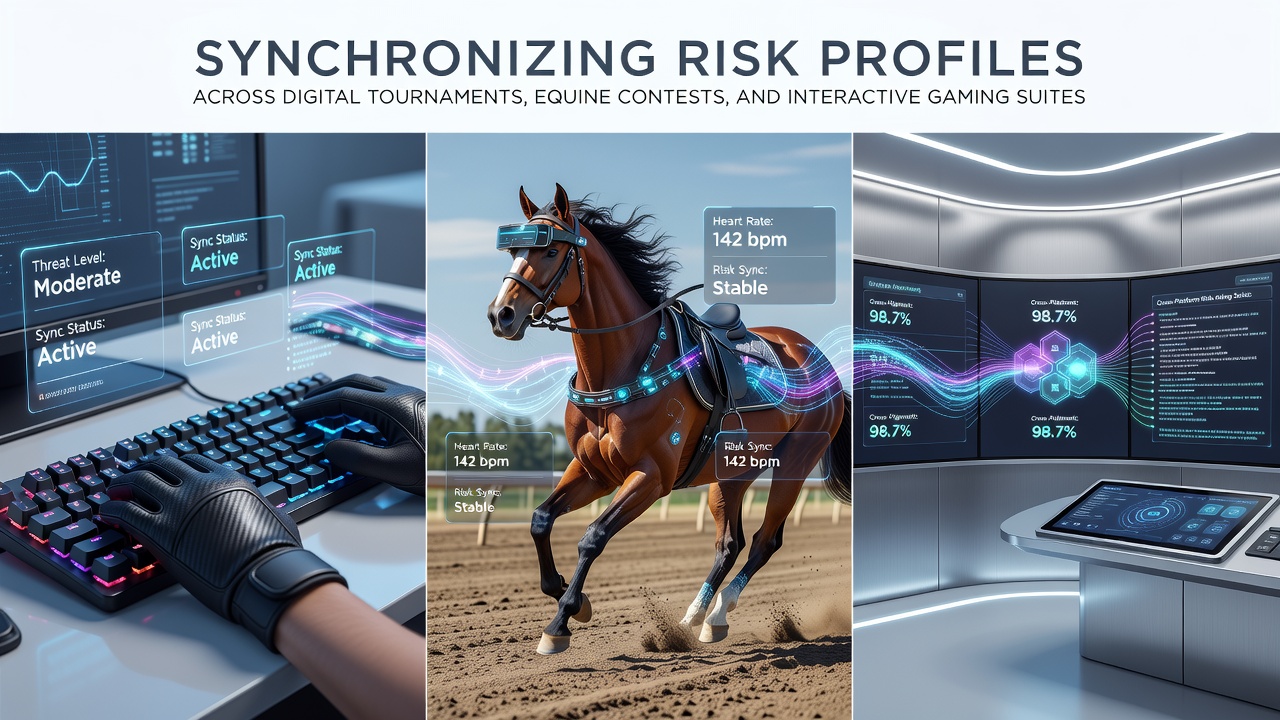
Coordinating Risk Frameworks Across Digital Competitions, Equine Events, and Interactive Gaming Platforms
Platforms that operate across multiple verticals have started aligning risk profiles for digital tournaments, equine contests, and interactive gaming suites because operators track player behavior through shared data layers. Research from the International Center for Gaming Regulation at the University of Nevada shows that unified systems reduce duplication in compliance checks while maintaining separate thresholds for each product type. Data collected in the first half of 2026 indicates that operators using these coordinated models process player activity across e-sports brackets, thoroughbred racing pools, and live dealer suites through a single authentication layer that feeds into distinct risk scoring engines.
Core Components of Synchronized Risk Models
Operators build these frameworks around three primary modules that communicate in real time. The first module captures session length, deposit velocity, and loss ratios. The second module applies product-specific rules such as stake limits on equine contests or round-frequency caps in digital tournaments. The third module consolidates alerts into a central dashboard so compliance teams review one profile instead of three separate files. Figures released by the Nevada Gaming Control Board in July 2026 recorded a 19 percent drop in redundant compliance tickets after operators implemented this structure across their multi-vertical portfolios.
Technical teams achieve synchronization through application programming interfaces that push normalized data fields between systems. A player who places repeated max-stake wagers on horse races triggers an equine-specific velocity flag that simultaneously updates a cross-product exposure score visible in the gaming suite interface. This approach allows operators to maintain regulatory separation while sharing underlying behavioral signals.
Regulatory Drivers and July 2026 Updates
Multiple jurisdictions updated guidance in mid-2026 that encouraged or required coordinated risk monitoring. The Australian Communications and Media Authority issued revised technical standards requiring operators to demonstrate that risk profiles for racing, sports, and casino products share core data elements. Canadian provincial regulators followed with similar expectations for operators holding multi-category licenses. Observers note that these changes align with broader efforts to reduce regulatory arbitrage between product categories.
Industry reports from the European Gaming and Betting Association indicate that operators who synchronized profiles ahead of the July 2026 deadlines experienced smoother audit cycles. The reports highlight that shared data schemas allow regulators to request a single export file rather than separate extracts for each license category.
Implementation Examples from Major Operators

One large European operator integrated its horse racing and e-sports platforms in the second quarter of 2026 by mapping deposit patterns onto a common risk scale. The system flags accounts that exceed thresholds in either vertical and applies cooling-off periods across both products. Another operator in the Asia-Pacific region linked its interactive gaming suite with equine contest data so that high-velocity casino play automatically adjusts racing stake limits for the same user. These examples illustrate how synchronization operates without collapsing distinct product rules into a single generic limit.
Technical documentation from these implementations shows that data normalization takes between four and seven weeks depending on legacy system age. Teams map fields such as “average bet size” and “session duration” into standardized schemas before activating cross-product alerts. Once live, the system generates daily reports that compliance staff review alongside product-specific metrics.
Technical Architecture and Data Standards
Modern synchronization relies on event-driven architectures where each vertical publishes behavioral events to a central message queue. Risk engines subscribe to relevant events and calculate scores using configurable weightings. For instance, an equine contest wager may carry a higher velocity weight than a digital tournament entry fee because racing pools typically settle faster. Operators adjust these weights through configuration files rather than code changes, which allows rapid response to regulatory updates.
Standards organizations including the Gaming Standards Association have published draft specifications for cross-product risk data exchange. The drafts define common field names and value ranges so vendors can build interoperable modules. Early adopters who tested these specifications in 2026 reported reduced integration costs compared with proprietary mapping projects.
Conclusion
Coordinated risk frameworks now connect digital tournaments, equine contests, and interactive gaming suites through shared data pipelines and modular scoring engines. Regulatory updates issued through July 2026 have accelerated adoption across multiple jurisdictions. Operators that completed integration projects report streamlined compliance processes while preserving product-specific controls. Continued refinement of data standards will likely shape further deployments in the second half of 2026 and beyond.